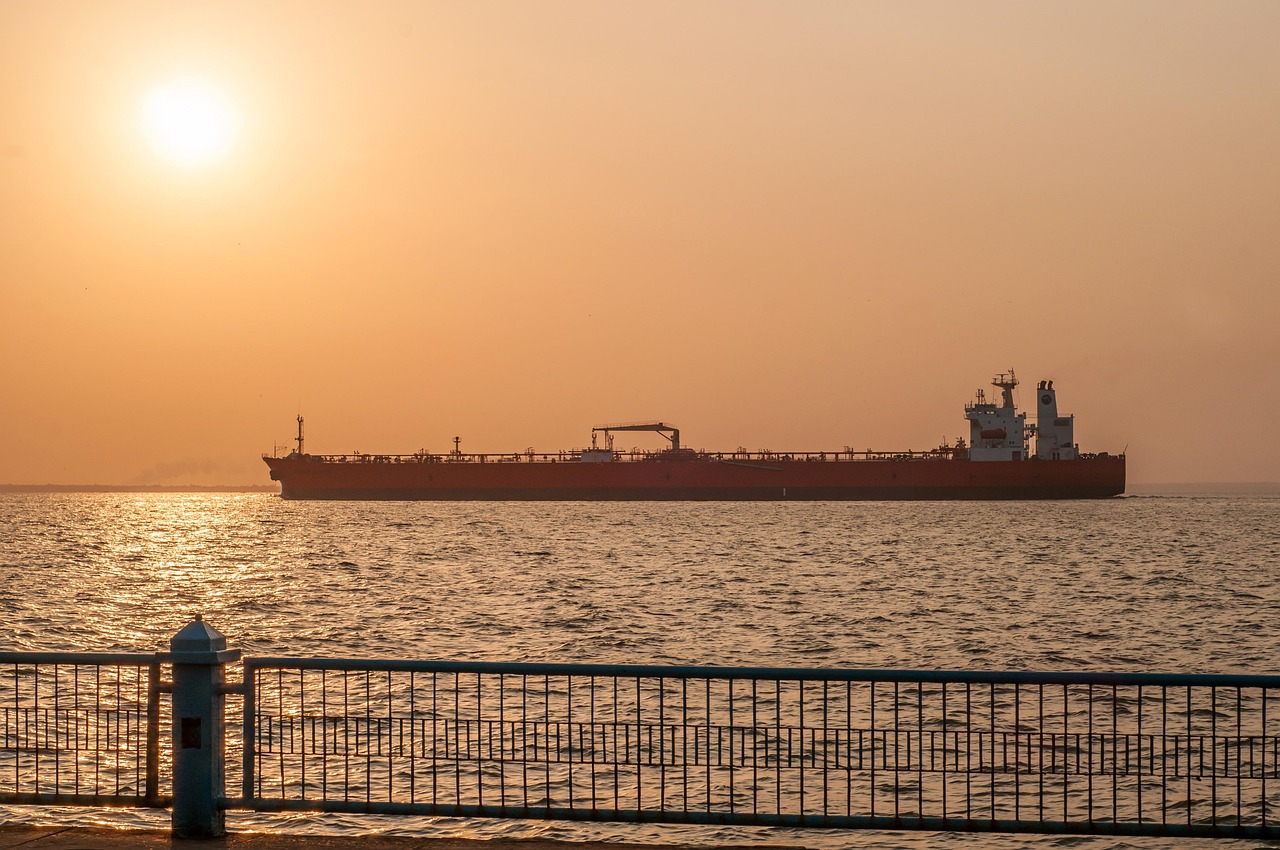
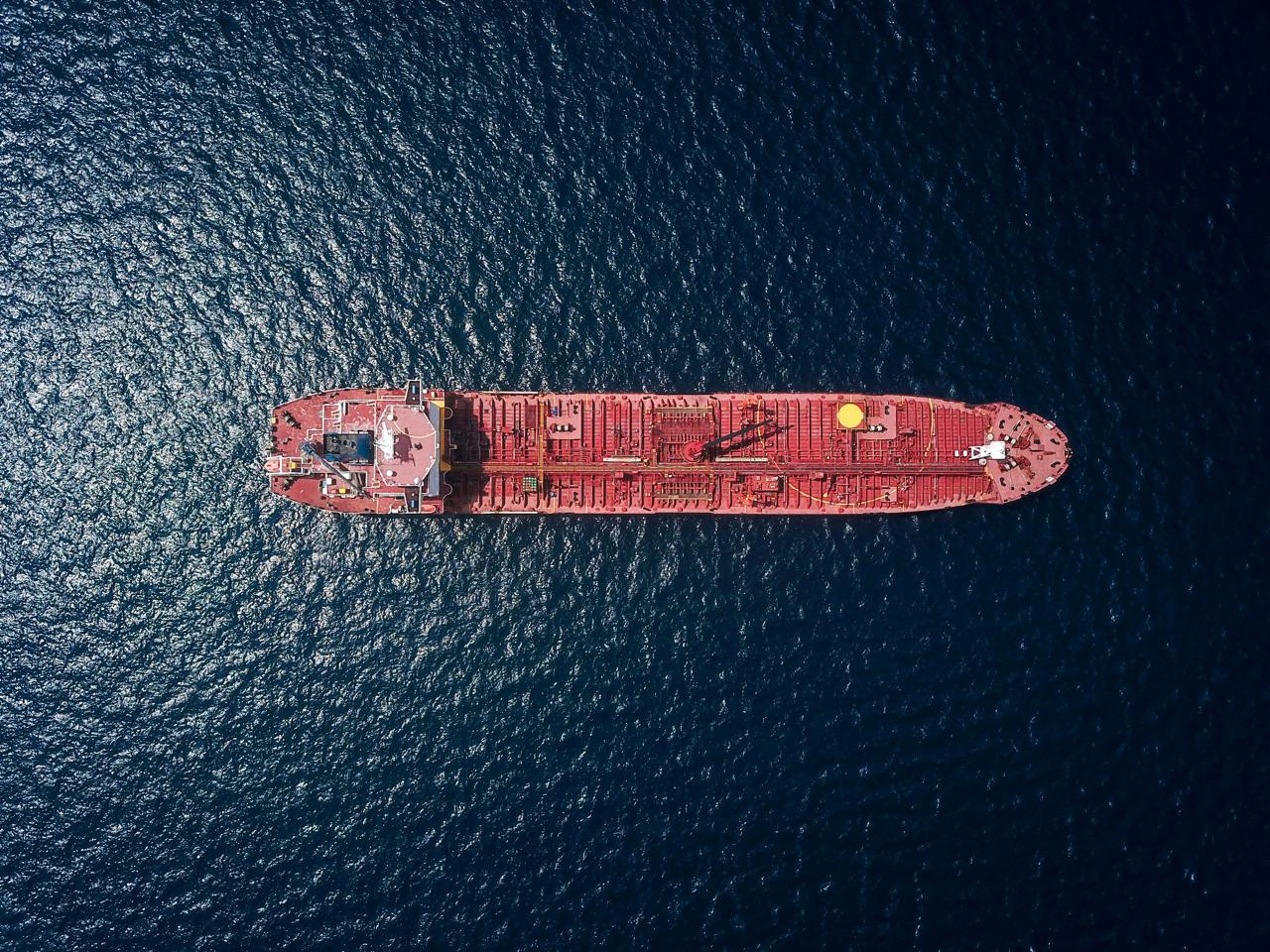
Cuba is experiencing a severe fuel crisis exacerbated by US-imposed restrictions on oil supplies. On 13 February, AFP reported that taxi drivers in Havana are increasingly replacing cars with e-tricycles due to the high cost and scarcity of gasoline. Black market fuel reaches up to US$5 per litre, tripling taxi fares.
Power outages of up to 12 hours per day complicate the use of electric vehicles, and public transportation has been heavily reduced, forcing some citizens to abandon work. E-tricycles and converted cycle rickshaws have become essential alternatives, providing affordable transportation amid the fuel shortage, though supply remains insufficient to meet demand.
The current transportation crisis reflects the broader economic and energy emergency in Cuba, triggered by the US oil blockade under President Donald Trump and the prior disruption of Venezuelan crude supplies. The Cuban government has implemented fuel rationing and prioritized essential sectors, including food production, energy, and health services, while urging citizens to practice “creative resistance” akin to measures during the 1990s Special Period.
Despite public rhetoric projecting resilience, the situation is straining the social and economic fabric: power outages, medical shortages, and transportation difficulties are intensifying public hardship. International support has been mostly symbolic, with no major oil deliveries reported, leaving Cuba heavily reliant on internal adaptations such as electric vehicles and alternative transport.
Our Forecast:
- In the short term, fuel scarcity will continue to disrupt transport, commerce, and daily life, with e-tricycles and retrofitted vehicles remaining essential.
- Cuba is likely to expand renewable energy projects and rationing to mitigate the crisis, but full economic normalisation is improbable without external oil supplies.
- The government is expected to maintain strict social control and messaging emphasizing resilience, while negotiations with external actors (Mexico, China, Venezuela) may focus on humanitarian aid and non-oil support rather than fundamental political concessions.
- If US pressure persists and alternative oil imports remain limited, analysts anticipate deeper economic contraction, increased social strain, and continued adaptation to low-fuel living as a long-term necessity.