• Africa
  • Americas
  • Asia
  • Europe
  • Middle East
Long View Monitor
No Result
View All Result
  • Africa
  • Americas
  • Asia
  • Europe
  • Middle East
No Result
View All Result
No Result
View All Result
Long View Monitor

High Stakes in Geneva Will Negotiations Stop Potential US Strikes on Iran

February 17, 2026

The second round of indirect US-Iran talks is scheduled to take place in Geneva on 17 February, with Oman continuing as the host. The Iranian delegation will be led by Foreign Minister Abbas Araqchi, who arrived in Geneva on 16 February.

Iranian media reactions ahead of the talks are divided: reformist outlets express cautious optimism for a potential agreement, while hardline publications emphasize military deterrence and reject any discussion of Iran’s missile program. Key statements include:

  • Abdolrahim Mousavi, Chief of Staff of Iran’s Armed Forces, warned that any military confrontation would be a “lesson” for the US.
  • Ali Larijani, Secretary of the Supreme National Security Council, stated that Tehran will not negotiate its missile program and that attempts to raise this issue could jeopardize the talks.
  • Hardline media criticized Deputy Foreign Minister Hamid Qanbari for suggesting the US could benefit economically from a deal.

The broader regional context remains tense due to the significant US military presence across the Middle East. Key points include:

  • Approximately 40,000–50,000 US troops are stationed in over a dozen countries, with major bases in Qatar, Bahrain, Kuwait, Saudi Arabia, UAE, Oman, Iraq, Jordan, Turkey, and Syria.
  • The US has recently redeployed or withdrawn some personnel amid rising tensions with Iran.
  • Gulf states, particularly Saudi Arabia and the UAE, have publicly ruled out allowing their territory to be used for attacks on Iran, reflecting concern over potential retaliatory strikes and regional destabilization.
  • Iranian leadership continues to signal readiness for decisive military response if attacked, including potential action by regional proxies and threats to energy infrastructure and navigation routes such as the Strait of Hormuz.

Our Forecast:

  • Diplomatic Outlook: While cautious optimism exists among some reformist Iranian factions, hardline stances — especially regarding missile programs—are likely to constrain the negotiations. A partial or limited agreement addressing sanctions relief and economic issues is possible, but a comprehensive deal covering military capabilities appears unlikely.
  • Military Risk: The probability of an immediate full-scale US strike remains low due to high economic, political, and military costs. However, selective or targeted strikes cannot be entirely ruled out, particularly if diplomatic progress stalls or regional incidents escalate.
  • Regional Implications: Even without direct conflict, the ongoing US-Iran tension will continue to affect Gulf security, energy markets, and maritime navigation. Gulf states’ cautious stance suggests that they aim to avoid direct involvement while balancing alignment with US strategic interests.

Conclusion

Diplomacy will likely remain the primary tool in the near term, but the volatile mix of hardline Iranian positions and substantial US military presence keeps the risk of limited military escalation non-negligible.

ShareTweetPin
Editorial Team

Editorial Team

Related Posts

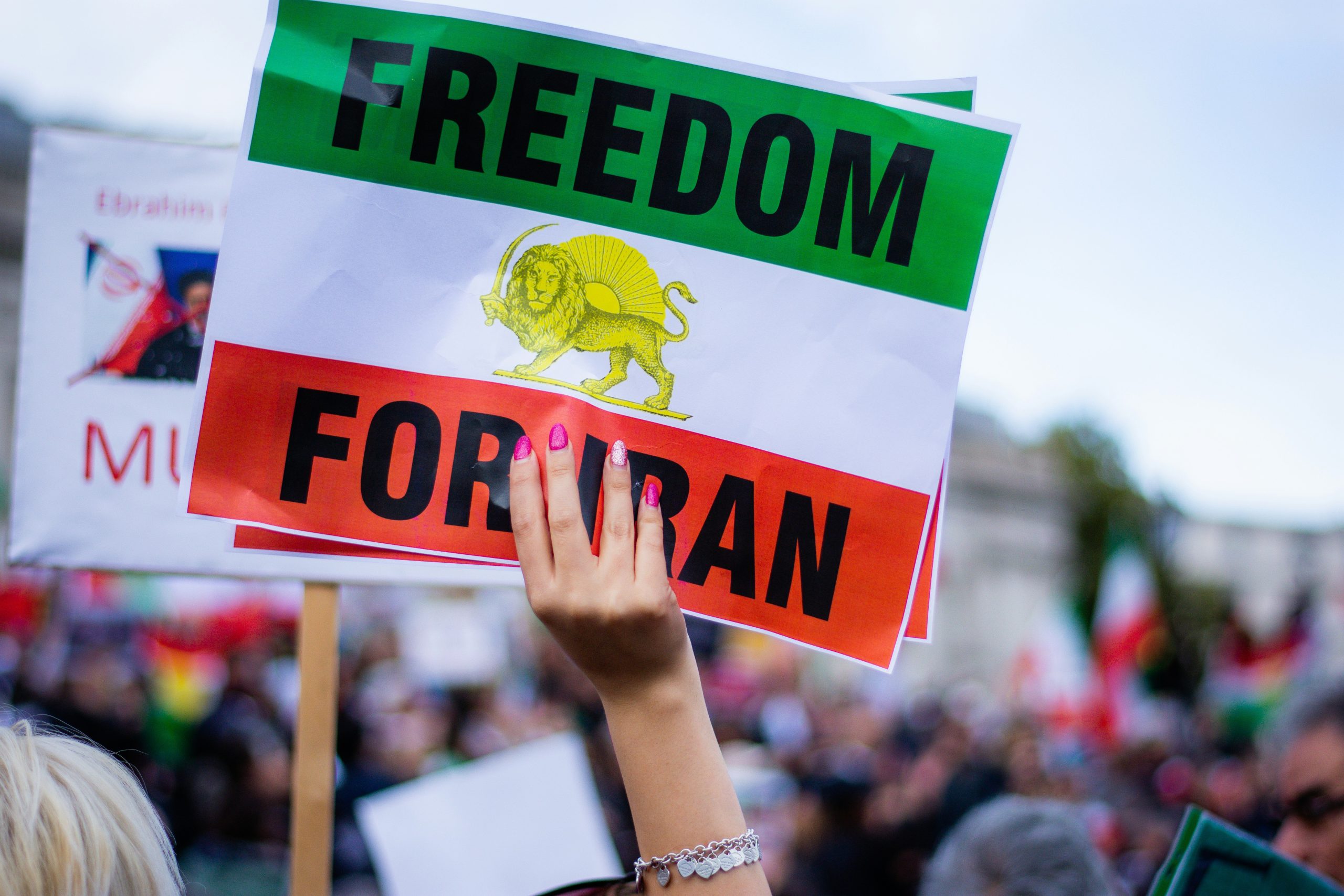
Unity and Fragmentation What the 14 February Rallies Reveal About Iran’s Opposition
Featured

Unity and Fragmentation What the 14 February Rallies Reveal About Iran’s Opposition

April 5, 2026

On 14 February, large-scale rallies organised by the Iranian diaspora were held worldwide at the initiative of exiled former crown prince Reza Pahlavi. Social media users highlighted the significant turnout, drawing comparisons with the official rallies in Iran marking...

Ukraine First, But Not Alone: Russia’s Global Military Ambitions Explained
Europe

Ukraine First, But Not Alone: Russia’s Global Military Ambitions Explained

February 17, 2026

Despite the large-scale war against Ukraine, Russia continues to maintain a substantial military presence across multiple regions, including the former Soviet space, the Middle East and Africa. Thousands of Russian servicemen and affiliated personnel are stationed abroad, often equipped...

Renewed Clashes in Jonglei Raise Concerns Ahead of 2026 Elections
Africa

Renewed Clashes in Jonglei Raise Concerns Ahead of 2026 Elections

February 17, 2026

On 12 February 2026, Deputy Minister of Foreign Affairs and International Cooperation of South Sudan, Akuei Bona Malwal, met with United States Ambassador Michael Adler in Juba. The discussions centered on strengthening bilateral relations between South Sudan and the...

Indian Ocean Becomes Key Battleground in Sanctions Evasion Crackdown
Asia

Indian Ocean Becomes Key Battleground in Sanctions Evasion Crackdown

February 17, 2026

In mid-February, Indian authorities intercepted and seized three oil tankers – Stellar Ruby, Asphalt Star, and Al Jafzia – within India’s exclusive economic zone, approximately 100 nautical miles west of Mumbai. The operation, confirmed by a source with direct...

  • About
  • Contact
  • Terms & Conditions

© Long View Monitor 2026. All rights reserved

Powered by
►
Necessary cookies enable essential site features like secure log-ins and consent preference adjustments. They do not store personal data.
None
►
Functional cookies support features like content sharing on social media, collecting feedback, and enabling third-party tools.
None
►
Analytical cookies track visitor interactions, providing insights on metrics like visitor count, bounce rate, and traffic sources.
None
►
Advertisement cookies deliver personalized ads based on your previous visits and analyze the effectiveness of ad campaigns.
None
►
Unclassified cookies are cookies that we are in the process of classifying, together with the providers of individual cookies.
None
Powered by
No Result
View All Result
  • Africa
  • Americas
  • Asia
  • Europe
  • Middle East

© Long View Monitor 2026. All rights reserved