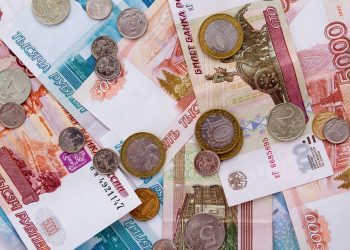
A drop in global oil prices following a preliminary peace agreement between Iran and the United States has ended a temporary revenue boost for Russia, exposing renewed pressure on the country’s budget. At the same time, Ukrainian drone strikes on Russian oil refineries have contributed to domestic fuel shortages, adding to economic challenges.
Brent crude returned to around $74 per barrel by 30 June after the 17 June Iran-US agreement reopened the Strait of Hormuz and allowed Middle Eastern and Iranian oil supplies to gradually return to global markets. During the conflict, Russia benefited from higher oil prices, stronger demand and a temporary easing of sanctions. According to Rosstat, Russian oil and gas revenues rose 32% year-on-year in May and were 60% higher than February levels. The Financial Times estimated the government was receiving an additional $150 million per day in budget revenues during the early stages of the conflict.
With oil prices normalizing, Russia’s Urals crude has returned to trading at a discount of $13-14 per barrel below Brent. Additional pressure could follow after US President Donald Trump warned that sanctions on Russian oil could be reimposed. The decline in oil revenues comes as Russia’s budget deficit exceeded 6 trillion roubles ($79 billion) in January-May, surpassing the government’s full-year target of 3.8 trillion roubles.
Russia is also dealing with fuel supply disruptions linked to repeated Ukrainian drone attacks on oil refineries. Official estimates and independent assessments indicate fuel production fell by about 10% year-on-year in April and another 13% in May. The shortages have led to higher fuel prices, long queues at petrol stations and disruptions to public transport and taxi services, particularly in remote regions and Russian-occupied territories including Crimea.
More than 40 Russian regions have introduced fuel rationing measures to limit panic buying, while authorities are considering increasing fuel imports and allowing wider use of lower-grade Euro 2 petrol. President Vladimir Putin acknowledged the shortages but said the government had the situation under control.
The end of the temporary oil price surge removes a key source of additional revenue for Moscow while domestic fuel disruptions continue. If oil prices remain at current levels and refinery attacks persist, Russia could face increasing pressure to manage its budget deficit and stabilize fuel supplies.