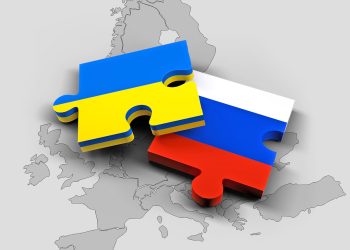
Despite the large-scale war against Ukraine, Russia continues to maintain a substantial military presence across multiple regions, including the former Soviet space, the Middle East and Africa. Thousands of Russian servicemen and affiliated personnel are stationed abroad, often equipped with advanced hardware such as fighter jets, helicopters, air defence systems and tanks. This global footprint diverts manpower and resources from Ukraine, yet underscores Moscow’s strategic priorities beyond the immediate battlefield.
In the post-Soviet region, Russia retains forces in allied states such as Belarus and Armenia, as well as in Central Asian countries including Tajikistan and Kyrgyzstan under the framework of the Collective Security Treaty Organisation. It also maintains bases in breakaway territories — Abkhazia and South Ossetia in Georgia, and Transnistria in Moldova — thereby preserving leverage over neighbouring states.
In Syria, Russia’s long-term intervention in support of former President Bashar al-Assad suffered a major setback after his fall in December 2024. While Moscow has reduced its presence, it seeks to preserve access to key facilities such as Tartus and Hmeimim, which have served as strategic hubs for operations in the Mediterranean and Africa.
In Africa, Russia has expanded its footprint, transitioning from the Wagner private military structure to the state-controlled Africa Corps under the Russian Defence Ministry. Russian personnel are now active in countries including Mali, Burkina Faso, Niger, Libya and Equatorial Guinea, often providing regime security and military training in exchange for access to natural resources and political influence. Libya in particular is emerging as a logistical and operational hub for Russian activities across Africa and potentially the Mediterranean.
Although some units have been redeployed from foreign missions to reinforce operations in Ukraine, the overall overseas presence remains significant, signalling Moscow’s continued ambition to project power globally.
Russia’s sustained overseas military presence, despite the strain of the war in Ukraine, reflects a deliberate strategy to preserve geopolitical influence, secure strategic infrastructure and maintain leverage over partner regimes. In the post-Soviet space, military deployments function as instruments of political control and deterrence. In Africa, they serve both economic interests — notably access to minerals and energy resources — and broader foreign policy ambitions.
However, the redistribution of forces to Ukraine and the setback in Syria indicate growing structural constraints. The transformation of mercenary networks into formal Defence Ministry structures suggests tighter state control but also higher financial and political costs.
Our Forecast:
In the short to medium term, Ukraine will remain Russia’s primary military priority, likely limiting large-scale expansion elsewhere. Moscow is expected to consolidate rather than significantly broaden its presence abroad, focusing on strategically valuable hubs such as Belarus, Tajikistan, Libya and selected Sahel states.
Africa will remain a key theatre for influence operations due to comparatively low operational costs and high political returns. Libya is likely to increase in importance as a substitute logistical platform following the reduction of capabilities in Syria.
Overall, Russia will continue to pursue a model of selective, cost-effective power projection, balancing external commitments against the enduring demands of the Ukrainian conflict.