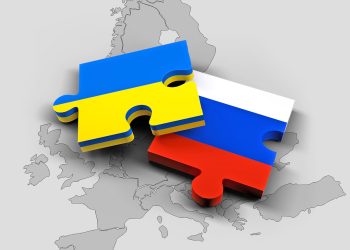
Eight Uzbek nationals were killed and several others injured when drones struck an oil refinery in Nizhnekamsk, Tatarstan, on August 10. Uzbekistan quickly sent officials to support the victims and arrange the return of their bodies, but has made no public statement condemning the attack, highlighting the difficult balance Tashkent is maintaining between Russia and Ukraine.
Uzbekistan’s Ministry of Emergency Situations said the victims were construction workers employed by a local company. At President Shavkat Mirziyoyev’s instruction, the government formed a commission involving the emergency, foreign affairs and health ministries to assist the victims’ families and repatriate the bodies. Uzbek consular and migration officials also arrived at the site.
However, Tashkent has avoided publicly attributing responsibility for the attack or commenting on it. The Foreign Ministry has not mentioned the incident on its website or social media, while state media have also remained silent.
The position reflects Uzbekistan’s broader neutrality over the war. Russia remains a key economic partner and the main destination for Uzbek migrant workers. About 1.4 million Uzbeks working abroad are in Russia, accounting for roughly 60% of the country’s labor migrants, according to data from Uzbekistan’s Central Bank published on August 14.
At the same time, Tashkent has supported Ukraine’s territorial integrity and avoided openly siding with Moscow. Uzbek authorities have viewed Russia’s actions in Ukraine as a potential precedent for challenges to the sovereignty and borders of other former Soviet states.
The government’s silence has not prevented a strong reaction inside Uzbekistan. Political analysts have called on Ukraine to apologize and offer condolences to the victims’ families. Shavkat Saidov said Kyiv should also consider compensation if necessary. Political expert Hamza Boltayev warned that the deaths could affect public attitudes toward Ukraine even if they do not immediately change relations between the two governments.
Pro-Kremlin commentators have also pressed Tashkent to condemn Kyiv, accusing Uzbekistan and Tajikistan of applying double standards by protesting Russian treatment of migrants while not responding to the deaths caused by the drone strike.
The incident adds to growing challenges for Uzbekistan’s neutral position. Western countries have warned that companies helping Russia evade sanctions could face secondary sanctions, while the EU sanctioned several Uzbek companies in 2025 over supplies of dual-use goods to the Russian military. Another concern is the growing involvement of Uzbek citizens in Russia’s war effort. Ukraine’s government-backed project Khochu Zhit said nearly 5,000 Uzbeks were fighting on Russia’s side as of June 1.
The Nizhnekamsk attack is likely to increase pressure on Tashkent to protect Uzbek citizens while maintaining its relations with both Moscow and Kyiv. As more Uzbeks become involved in the war through migration or military recruitment, preserving that diplomatic balance is expected to become increasingly difficult.